

 Suche
Suche
 Mein Konto
Discover Leipzig: The city’s top sights at a glance!
Discover the sights of Leipzig: from the historic old town to the Battle of the Nations Monument to the Mendelssohn House. Experience culture, history and nature in the heart of Saxony.

Discover Leipzig: The city’s top sights at a glance!
Leipzig, the vibrant metropolis in the heart of Saxony, is a city that combines history and modernity in a unique way. Known as a center of music, literature and commerce, Leipzig offers a wealth of cultural treasures and historical sites that attract visitors from all over the world. From impressive churches to world-famous museums to lively neighborhoods, the city has something to suit every taste. Whether you want to follow in the footsteps of great composers like Johann Sebastian Bach or explore the dynamic nightlife, Leipzig surprises with its diversity. The city is not only a place of the past, but also a creative hotspot that impresses with its innovative art scene and modern architecture. Immerse yourself in the fascinating world of Leipzig and discover why this city is an unforgettable travel destination.
Historic old town
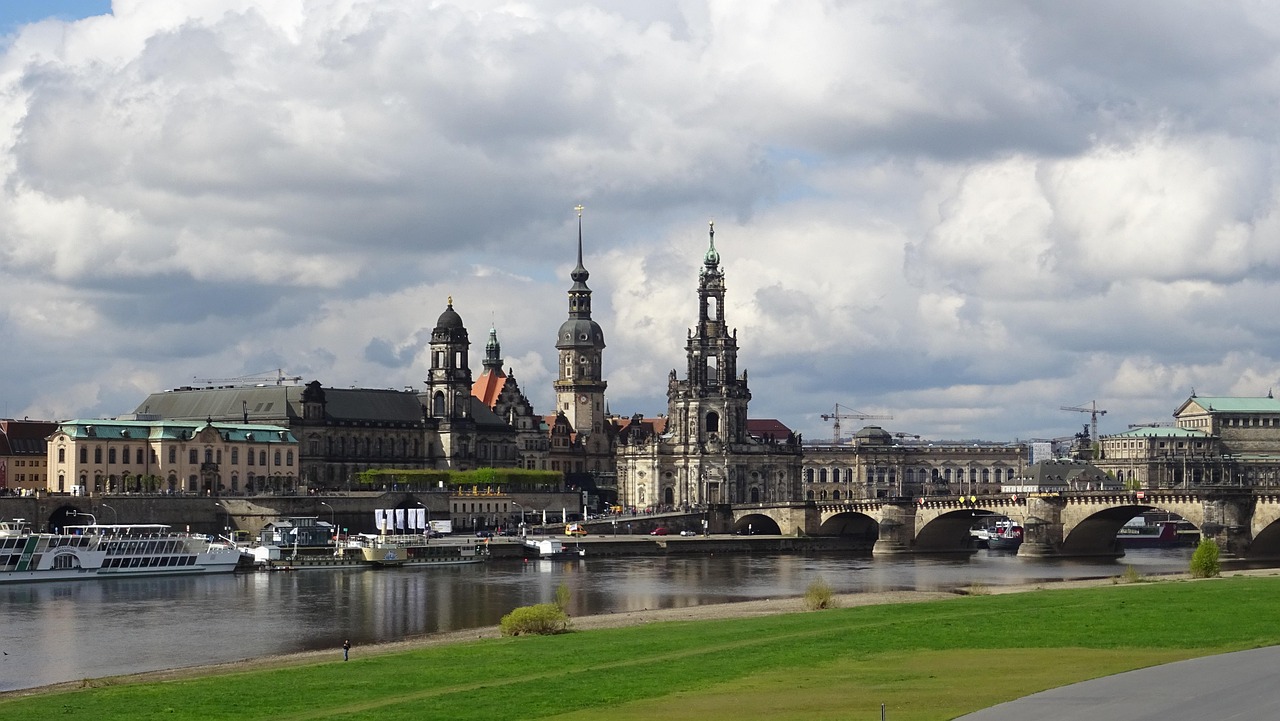
Leipzig, an up-and-coming metropolis in the heart of Saxony, is attracting more and more tourists who are fascinated by the impressive mix of historic architecture and important squares. The city, located approximately 190 km southwest of Berlin, offers a compact old town that allows many of the main attractions to be easily explored on foot. A walk through the narrow streets and lively squares reveals the rich history and culture that characterize Leipzig. For more information about the city's highlights, it's worth taking a look at the website Excursion sights in Leipzig, which provides a comprehensive overview.
An absolute must in the old town is the Old Town Hall, a masterpiece of Renaissance architecture. With an impressive length of 93 meters, it is one of the largest town halls in Germany and houses the City History Museum, which provides insights into Leipzig's eventful past. Just a few steps away is the St. Nicholas Church, the oldest and largest church in the city. It is not only an architectural gem, but also a historical place, known for its role in the GDR peace movement and as a performance venue for many of Johann Sebastian Bach's works. Also centrally located is Thomaskirche, another place that is closely linked to Bach. The famous composer worked here, and today the church serves as his burial place and as a venue for impressive concerts.
A special feature of Leipzig's city center are the over 25 historical passages that invite you to stroll and discover. The Mädler Passage is probably the most famous of them. It is home to the famous Auerbachs Keller, which gained literary fame through Goethe's “Faust”, as well as the Mephisto monument, which commemorates this connection. Another pearl is Speck’s Hof, the oldest passage in the city, which captivates visitors with its unique clock and artistic details. These passages are not only architectural highlights, but also lively places where cafés, boutiques and restaurants are lined up.
Outside the old town there are other architectural treasures and important squares. At 91 meters, the Battle of the Nations Monument in the southeast of the city is the highest monument in Europe and commemorates the Battle of the Nations in 1813, one of the decisive battles against Napoleon. The viewing platform offers a breathtaking view of Leipzig and the surrounding area. A modern contrast to this is the City Hochhaus, which at 142 meters is the tallest building in the city. From the observation deck, visitors can see the entire city and marvel at the mix of historic and contemporary buildings.
In addition to the architectural highlights, Leipzig also offers cultural and natural attractions that make a visit unforgettable. Leipzig Zoo, one of the largest zoos in Europe, impresses with its unique themed worlds such as Gondwanaland, a tropical adventure world under a huge glass roof. For those interested in history and culture, the city's over 50 museums are a paradise. The museum in the Runde Ecke is dedicated to the history of the Stasi and offers impressive insights into the GDR era. The Bach Museum, on the other hand, tells the life story of the famous composer, while the Grassi Museum combines three collections under one roof: applied art, ethnology and musical instruments.
If you want to experience Leipzig from a different perspective, you should consider taking a boat tour. The city is criss-crossed by numerous canals and rivers, allowing exploration from the water. These tours pass historic buildings and leafy waterfronts, offering a relaxing way to soak up the city's atmosphere. For nature lovers, the Leipzig Lake District, which emerged from former coal mining areas, is an ideal excursion destination. Here you can swim, cycle or simply enjoy the peace and quiet in the idyllic landscape.
Leipzig is a city of contrasts, where historical splendor and modern dynamism combine harmoniously. The architectural treasures such as the Old Town Hall, the St. Nicholas Church or the Battle of the Nations Memorial speak of a rich past, while places such as the City Hochhaus or the Leipzig Zoo look to the future. The numerous arcades, museums and leisure activities make the city a place that has something for everyone. A visit to Leipzig is a journey through time - from the traces of great personalities like Bach to the innovative developments of a modern metropolis.
Battle of the Nations Monument
The Battle of the Nations Monument in Leipzig is one of the most impressive monuments in Europe and a central place of remembrance of one of the most decisive battles in history. Located in the Leipzig district of Probstheida, it commemorates the Battle of the Nations of 1813, which took place between October 16th and 19th and marked a turning point in the Sixth Coalition's war against Napoleon. About 500,000 soldiers from Russia, Prussia, Austria and Sweden, led by Tsar Alexander I and Karl Philipp, Prince of Schwarzenberg, fought against the French army. The battle, in which around 110,000 men lost their lives, took place in one of the bloodiest scenes in history - exactly where the memorial stands today. For a detailed overview of the historical significance and architecture of the monument, we recommend visiting the website Wikipedia: Monument to the Battle of the Nations.
The idea of building a monument was already promoted in the 19th century by figures such as Ernst Moritz Arndt, but it took decades for the project to come to fruition. In 1863 the foundation stone for a future monument was laid, but political events such as the German unification of 1871 interrupted the plans. The project was only resumed in 1894, largely initiated by Clemens Thieme, who founded the “German Patriot Association” to finance it. A large-scale fundraising campaign and support from the city of Leipzig made construction possible, which began in 1900 and was completed in 1913, on the 100th anniversary of the battle. The cost was six million gold marks, and the result was a structure that was the tallest monument in Europe at the time of its completion.
Designed by the architect Bruno Schmitz, the Battle of the Nations Monument impresses with its monumental architecture, which is considered one of the best examples of Wilhelmine architecture. The 91-meter-tall structure, perched on a 30-meter-tall man-made mound, is made primarily of concrete with a cladding of 26,500 granite porphyry blocks and weighs over 300,000 tons. The pyramidal silhouette with a step pyramid as a base gives the monument an imposing presence. Over 500 steps lead to the viewing platform, from which visitors can enjoy a breathtaking view of Leipzig and the surrounding area. The facade features an 18-meter-high relief depicting the battlefield, with the Archangel Michael as the central motif, while twelve-meter-high guardian figures surround the dome.
Inside the monument, visitors can expect impressive rooms that underline the historical significance of the battle. The crypt, approximately 23 meters in diameter and dimly lit, houses 16 warrior statues commemorating the fallen soldiers. Above it rises the Hall of Fame, in which four ten-meter-high sculptures symbolize various characteristics of the German people. These architectural details make the monument not only a place of remembrance, but also a fascinating example of the architecture of the time. If you would like to find out more about the structural features and history, please visit Guidenex: Battle of the Nations Monument more exciting information.
The historical significance of the Battle of the Nations Monument has been interpreted differently over time. After the battle, a controversial culture of remembrance developed in Germany that included both liberal and monarchist perspectives. During World War II, the memorial was the scene of fighting as Nazi troops made their last stand against U.S. troops in Leipzig. In the GDR it was reinterpreted as a symbol of German unity, and between 1913 and 1989 it was often used as a backdrop for propaganda events. Since reunification in 1989, the monument has gained in importance primarily as a place of remembrance and historical reflection. In 1999, the “Forum 1813” museum was opened, which focuses on the Battle of Nations and its effects, and in 2013, on the 200th anniversary of the battle and 100th anniversary of the inauguration, the monument was ceremoniously rededicated.
Today, the Völkerschlachtdenkmal is not only a landmark of Leipzig, but also a place that encourages reflection on the past. Extensive reconstruction and renovation work has been completed in recent years, and the outdoor facilities were completed by 2019 to further enhance the visitor experience. Near the monument there are other sights such as the Leipzig Panometer, the Russian Memorial Church or the Mendelssohn House, which round off a visit. The monument stands as a silent witness to a crucial period in European history and invites you to reflect on the past while enjoying the impressive architecture and views over the city.
Thomas Church

The Thomaskirche in Leipzig is not only one of the city's most important landmarks, but also a place of inestimable cultural and historical value, especially due to its close connection to Johann Sebastian Bach. This Gothic church, whose origins date back to the 12th century, stands in the heart of the old town and is a symbol of Leipzig's musical and spiritual tradition. It was rebuilt several times over the centuries, with its current appearance mainly dating from the 15th century. St. Thomas Church is not only an architectural masterpiece, but also a vibrant place of music and faith that attracts visitors from all over the world.
The connection between St. Thomas Church and Johann Sebastian Bach is legendary. From 1723 until his death in 1750, Bach worked here as St. Thomas Cantor, a position that made him musical director of the church and the associated St. Thomas School. During this time he composed some of his most important works, including the St. Matthew Passion and the St. John Passion, which were first performed in St. Thomas Church. The church was not only his place of work, but also a creative space in which his musical genius came to fruition. Today Bach rests in St. Thomas Church - his remains were buried in a grave under the altar in 1950, on the 200th anniversary of his death, making the place a pilgrimage destination for music lovers.
The cultural relevance of St. Thomas Church goes far beyond its connection to Bach. It has been a center of church music in Germany for centuries, a tradition that is still alive today. The St. Thomas Choir, which was founded in the 13th century, is closely linked to the church and enjoys an international reputation. This boys' choir, which Bach himself once directed, performs regularly in St. Thomas Church and maintains the city's musical heritage. The church also serves as a venue for numerous concerts and musical events, presenting both historical and contemporary works. An example of this is the final concert of the composition workshop “Youth Composes Saxony”, which will take place on May 25, 2025 in the Luther Church, but is closely linked to the musical tradition of the Thomas Church. Further information about such events can be found on the official website Thomaskirche.org.
In addition to its musical significance, St. Thomas Church also played an important role in the history of Leipzig and Germany. It was a center of Lutheran theology during the Reformation, and Martin Luther himself preached here in 1539. The church survived numerous historical upheavals, including the devastation of the Thirty Years' War and the bombing of World War II, although these caused little damage. Their durability makes them a symbol of resilience and faith. Even in recent history, especially during the peaceful revolution of 1989, St. Thomas Church was a place of cohesion, as it is closely connected to the neighboring St. Nicholas Church, where the Monday prayers for peace took place.
Today, St. Thomas Church is not just a place of the past, but a living center of the community. It is looked after by the Evangelical Lutheran Parish of St. Thomas Leipzig, whose contact persons for faith, education and music organize a wide range of activities. From pastors like Christoph Reichl to the Thomas organist Johannes Lang to the director of the St. Thomas Singing School, Maria Leistner, a dedicated team helps to continue the traditions of the church. This variety of tasks - from pastoral care to church music to public relations - reflects the importance of St. Thomas Church as a cultural and spiritual center. Those interested can find out about the current contact persons and their contact details on the website Thomaskirche.org – contact person inform.
A visit to St. Thomas Church not only offers the opportunity to admire the impressive Gothic architecture with its high vaults and ornate windows, but also to immerse yourself in the world of Johann Sebastian Bach. Regular tours tell the story of the church and its famous personalities, while concerts and church services keep the musical tradition alive. Particularly impressive is the Bach organ, a reconstruction of the instrument that was in the church during Bach's time and which is used in many performances. The Thomaskirche is therefore a place where history, music and spirituality merge in a unique way.
In summary, it can be said that the Thomaskirche is much more than just a building - it is a living testimony to Leipzig's cultural and historical development. Its connection to Johann Sebastian Bach makes it an essential destination for music lovers, while its role in the history of the city and Germany elevates it to a place of reflection and remembrance. Whether you are looking for the silence of the nave, want to experience the sounds of the St. Thomas Choir or simply want to follow in the footsteps of one of the world's greatest composers, St. Thomas Church offers all of this and much more.
Leipzig Zoo

The Leipzig Zoological Garden, located in the heart of the Mitte district, is one of the most impressive zoological facilities in Germany and is one of the best zoos in Europe. Since its opening on June 9, 1878, the zoo, which was taken over by the city of Leipzig in 1920, has developed into a modern adventure destination that houses around 850 animal species on around 27 hectares. With six fascinating themed worlds - Founders' Zoo, Gondwanaland, Asia, Pongoland, Africa and South America - the zoo offers a unique journey through the animal world of different continents. It was named the best zoo in Germany and the second best in Europe (after Vienna), which underlines its outstanding quality. For more details on the zoo's history and attractions, it's worth taking a look at the website Wikipedia: Leipzig Zoological Garden.
One of the zoo's standout attractions is Gondwanaland, the second largest indoor rainforest hall in the world, which opened in 2010. On 16,500 square meters it offers a habitat for 170 exotic animal species and around 500 plant species. Here, visitors can experience tropical diversity up close as they hike through dense vegetation and observe animals such as sloths, exotic birds and reptiles. Equally impressive is Pongoland, which opened in 2001 and is designed specifically for great apes. With spacious outdoor facilities for four primate species and a research center in collaboration with the Max Planck Institute, the zoo sets standards in species-appropriate husbandry and scientific research. These modern facilities show how Leipzig Zoo combines tradition with innovation.
The zoo is also home to rare and endangered animal species that live in elaborately designed habitats. In the Africa area, visitors can marvel at the Kiwara Savannah, a 25,000 square meter area that is home to Grévy's zebras, Rothschild giraffes, Thomson's gazelles, Nile lechwes and ostriches. The African zone also includes lions, hyenas and meerkats, which can be seen in natural enclosures. The zoo is particularly proud of its breeding successes: over 2,000 lions and 250 rare Siberian tigers were bred here, which underlines the importance of the zoo for species conservation. The endangered Chinese pangolin also finds a home here, as do Indian elephants, which live in an enclosure with a swimming pool and an underwater observation gallery.
In the Founder's Zoo, which includes historic buildings from the zoo's early days, visitors can discover koalas, a budgie aviary and primate islands. This mix of historical architecture and modern animal husbandry gives the area a special charm. The zoo also plans to transform parts of the grounds to create a South American landscape with aquatic habitats for seals and penguins. Such projects demonstrate the zoo's commitment to continually creating new experiences for visitors while providing optimal conditions for the animals. The diversity of animal species and innovative concepts make Leipzig Zoo a place that both entertains and educates.
In addition to presenting unique animal species, species protection plays a central role at Leipzig Zoo. The zoo actively contributes to the preservation of endangered species through breeding programs and international collaborations. The successful breeding of Siberian tigers and lions is just one example of these efforts. In addition, the zoo is involved in research projects, such as those carried out at the Pongoland Research Center, to better understand the behavior and needs of primates. This scientific work not only helps the animals in the zoo, but also their counterparts in the wild. The zoo also sensitizes its visitors to the importance of nature conservation and the threats that many animal species face.
The importance of the zoo for species conservation is also clear in a global context when one considers that around 18,000 new species are discovered every year, while many known species are threatened with extinction. Leipzig Zoo makes an important contribution by offering endangered animals such as the Chinese pangolin a safe habitat and raising awareness of the challenges of species protection through educational programs. Anyone who would like to find out more about newly discovered animal species and global biodiversity will find exciting information here Animals Around the Globe, where current discoveries from 2024 are presented.
A visit to Leipzig Zoo is an experience for the whole family. The combination of modern themed worlds, rare animal species and a strong focus on species conservation makes the zoo a unique place. Whether you explore the tropical atmosphere of Gondwanaland, observe the majestic giraffes on the Kiwara savannah or admire the historic buildings in the Founders' Zoo - the zoo offers unforgettable impressions. At the same time, it conveys an awareness of the fragility of nature and the need to protect it. Leipzig Zoo is therefore not only an attraction, but also a place of learning and responsibility for the future of our animal world.
Mendelssohn House
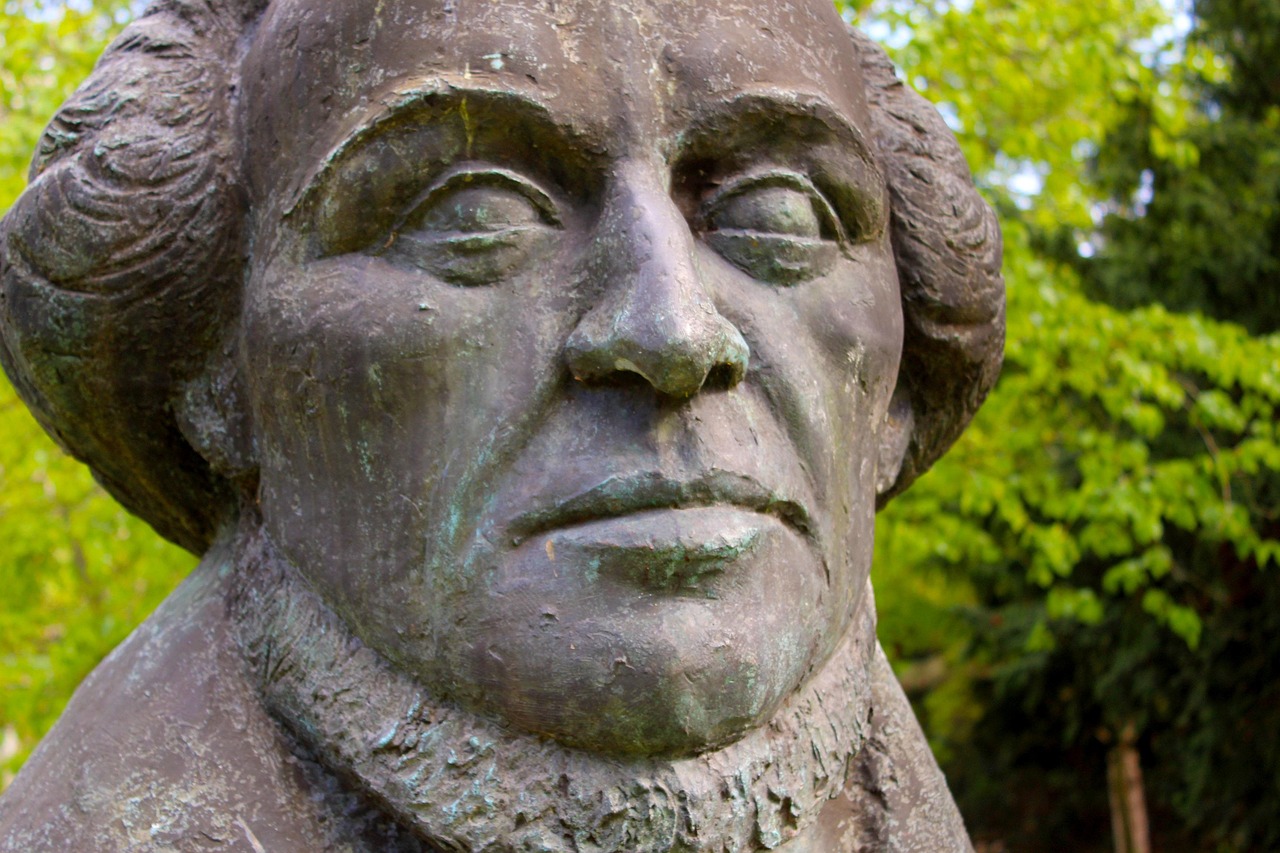
The Mendelssohn House in Leipzig offers a fascinating insight into the life and work of one of the most important Romantic composers, Felix Mendelssohn Bartholdy. Located at Königstraße 5, just outside the city center near the promenade, this apartment was the residence of Mendelssohn and his family from the late summer of 1845. Today the house is a museum that not only tells the composer's personal story, but also illuminates his immense role in music history. It is a place where visitors can feel the atmosphere of that time and follow in the footsteps of a musical genius. For detailed information about the museum and its exhibitions, it is worth visiting the official website Mendelssohn Foundation.
The apartment that Mendelssohn lived with his wife Cécile and their children was a cultural meeting place in the 1840s. Prominent personalities of the time such as Clara and Robert Schumann, Louis Spohr, Joseph Joachim, Hans Christian Andersen, Jenny Lind, Raymund Härtel and Richard Wagner came and went here. These illustrious guests testify to Mendelssohn's central role in the musical and cultural life of the 19th century. The historic staircase to the apartment has been carefully restored and corresponds to the original design from Mendelssohn's lifetime, giving visitors an authentic impression of the composer's surroundings.
A highlight of the Mendelssohn House is the composer's study, where important works such as the oratorio “Elijah” were created. Here you can imagine how Mendelssohn worked on his compositions, inspired by the peace and the view of the surroundings. Next to the study there is a music salon, which was the heart of cultural life in the apartment at the time. Today, concerts take place in this salon every Sunday, bringing Mendelssohn's music and that of his contemporaries back to life. These events offer a unique opportunity to experience the music in a historical context and to feel the composer's importance first hand.
The museum in the Mendelssohn House preserves numerous personal items that provide an intimate insight into the family's life. The exhibits include family-owned furniture, letters, sheet music and watercolors that Mendelssohn painted himself. These objects not only tell of his musical work, but also of his everyday life and his diverse talents. Extensive information about his life and work is provided through interactive exhibitions and informative texts that are accessible to both music connoisseurs and laypeople. The house is therefore not only a place of remembrance, but also an educational center that keeps Mendelssohn's legacy alive.
Felix Mendelssohn Bartholdy played a crucial role in music history, not only through his own compositions but also through his efforts to revive the works of Johann Sebastian Bach. As the founder of the Leipzig Gewandhaus and the first German conservatory, today the “Felix Mendelssohn Bartholdy” University of Music and Theater, he had a lasting impact on the city’s musical landscape. His apartment on Königstrasse was the place where many of his ideas took shape and where he spent the last years of his life before he died in 1847 at the age of just 38. The Mendelssohn House is therefore a key place to understand its significance for Romanticism and music history as a whole.
A visit to the Mendelssohn House is a journey into the world of Romanticism and a must for anyone interested in music history. The authentically restored environment, combined with the personal items and the opportunity to experience concerts, creates a special connection to Mendelssohn and his time. The museum also regularly offers special exhibitions and events that shed light on various aspects of his life and work. If you would like to find out more about the museum's current offers and data protection guidelines, you can visit the website Museum Association where details on technical aspects such as the use of cookies can be found.
The Mendelssohn House is more than just a museum – it is a place where the past comes to life. It tells the story of an extraordinary composer who revolutionized the music of his time and left a lasting mark on Leipzig as a city of music. Whether you feel the silence of his study, look at his handwritten sheet music or listen to a concert in the music salon, a visit here leaves a lasting impression. The house is a window into the world of Felix Mendelssohn Bartholdy and proof of the cultural diversity and depth that Leipzig has to offer.
Art scene and museums

Leipzig is not only a city of music and history, but also a vibrant center for art and creativity, which is reflected in the diversity of its museums and galleries. With over 50 museums, the city offers an impressive range of cultural experiences, showcasing both historical treasures and contemporary works. From renowned establishments to hidden gems, Leipzig's creative side is evident in every corner, be it in the exhibition rooms or on the streets. The city is a paradise for art lovers, who can discover both classical and modern expressions here.
One of the most famous museums is the Museum of Fine Arts, which houses an extensive collection from the late Gothic period to the present. Located in the modern glass building on Sachsenplatz, it shows works by artists such as Lucas Cranach the Elder, Caspar David Friedrich and Max Klinger, one of the most important representatives of the Leipzig School. The collection includes paintings, sculptures and graphics and offers a deep insight into art history. In addition to the permanent exhibitions, there are regular special exhibitions that focus on contemporary artists and current topics, which means the museum remains a lively place for cultural exchange.
Another important institution is the Grassi Museum, which combines three museums under one roof: the Museum of Applied Arts, the Museum of Ethnology and the Musical Instrument Museum. The Museum of Applied Arts is particularly impressive with its collection of design and craftsmanship, ranging from antiquity to modernity. The Musical Instrument Museum, on the other hand, is a must for music lovers as it showcases one of the largest collections of historical instruments in Europe. This diversity makes the Grassi Museum a place where Leipzig's creative and cultural diversity unfolds in a unique way.
A real insider tip is the Antique Museum of the University of Leipzig, which is housed in the Old Nikolai School at the Nikolaikirchhof. It houses an impressive collection of ancient artworks, including vases, sculptures and coins from ancient Greece and Rome. Particularly noteworthy is the barrier-free design of the exhibition rooms, which also allows visually impaired guests access to parts of the permanent exhibition using tactile models. The museum also offers public themed tours on Sundays as well as individual tours in German and English. For further information on opening times and admission prices, it is worth taking a look at the website MDR culture, which presents this and other cultural insider tips in Leipzig.
In addition to the classic museums, Leipzig is also known for its lively gallery and street art scene. The Plagwitz industrial district is a hotspot for contemporary art, where new street art works are regularly created. Historic advertising from the 1920s can be spotted along the Karl Heine Canal, while the city's Wall of Fame is a well-known spot for legal street art. Impressive works of art can also be found in the southern suburbs and in the east of Leipzig, for example in the Neuschönefeld district, such as the “Madonna with Child” by Blek Le Rat on Karl-Liebknecht-Straße, which has been protected by a glass pane since 2012. Anyone interested can find out more about the city's diverse street art scene and galleries Leipzig Travel, where the creative corners of the city are presented in detail.
Another highlight is the Bach Museum, which is dedicated to the life and work of Johann Sebastian Bach, who spent a large part of his life in Leipzig. With interactive exhibitions, original manuscripts and an impressive collection of historical instruments, it offers a deep insight into music history. The museum is located directly opposite St. Thomas Church, where Bach worked as a cantor, and thus impressively combines history and music. It is a place where the creative power of the city can be felt, which has a long tradition not only in the visual arts but also in music.
Leipzig's creative side can also be seen in the Museum in the Runde Ecke, which is dedicated to the history of the Stasi. The exhibition not only offers historical insights into the GDR era, but also uses innovative forms of presentation to make the past tangible. Original documents, listening devices and stagings of former interrogation rooms create a haunting atmosphere that makes you think. This museum combines history with a creative reappraisal and shows how art and culture in Leipzig also serve as a means of reflection.
In summary, Leipzig is a melting pot of creativity that offers something for every taste through its museums and galleries. Whether you admire the classical works in the Museum of Fine Arts, explore the diversity of the Grassi Museum or discover modern street art in Plagwitz - the city always inspires and surprises. These cultural institutions are not only places of preservation, but also places of encounter and exchange that consolidate Leipzig's reputation as a creative metropolis.
Sources
- https://www.ausflug-sehenswuerdigkeiten.com/deutschland/leipzig/
- https://en.wikipedia.org/wiki/Monument_to_the_Battle_of_the_Nations
- https://guidenex.de/eintrag/voelkerschlachtdenkmal/
- https://www.thomaskirche.org/
- https://www.thomaskirche.org/glauben/ansprechpartner
- https://en.wikipedia.org/wiki/Leipzig_Zoological_Garden
- https://www.animalsaroundtheglobe.com/de/45-of-the-newest-animal-species-discovered-in-2024-uvw-274648/
- https://www.mendelssohn-stiftung.de/en/museum
- https://www.museumsbund.de/mitgliedsmuseen/felix-mendelssohn-bartholdy-stiftung-mendelssohn-haus/
- https://www.mdr.de/kultur/ausstellungen/leipzig-museum-geheimtipps-102.html
- https://www.leipzig.travel/blog/galerien-in-leipzig/